
Frauen in SchwarzWomen in Black
InhaltSynopsis
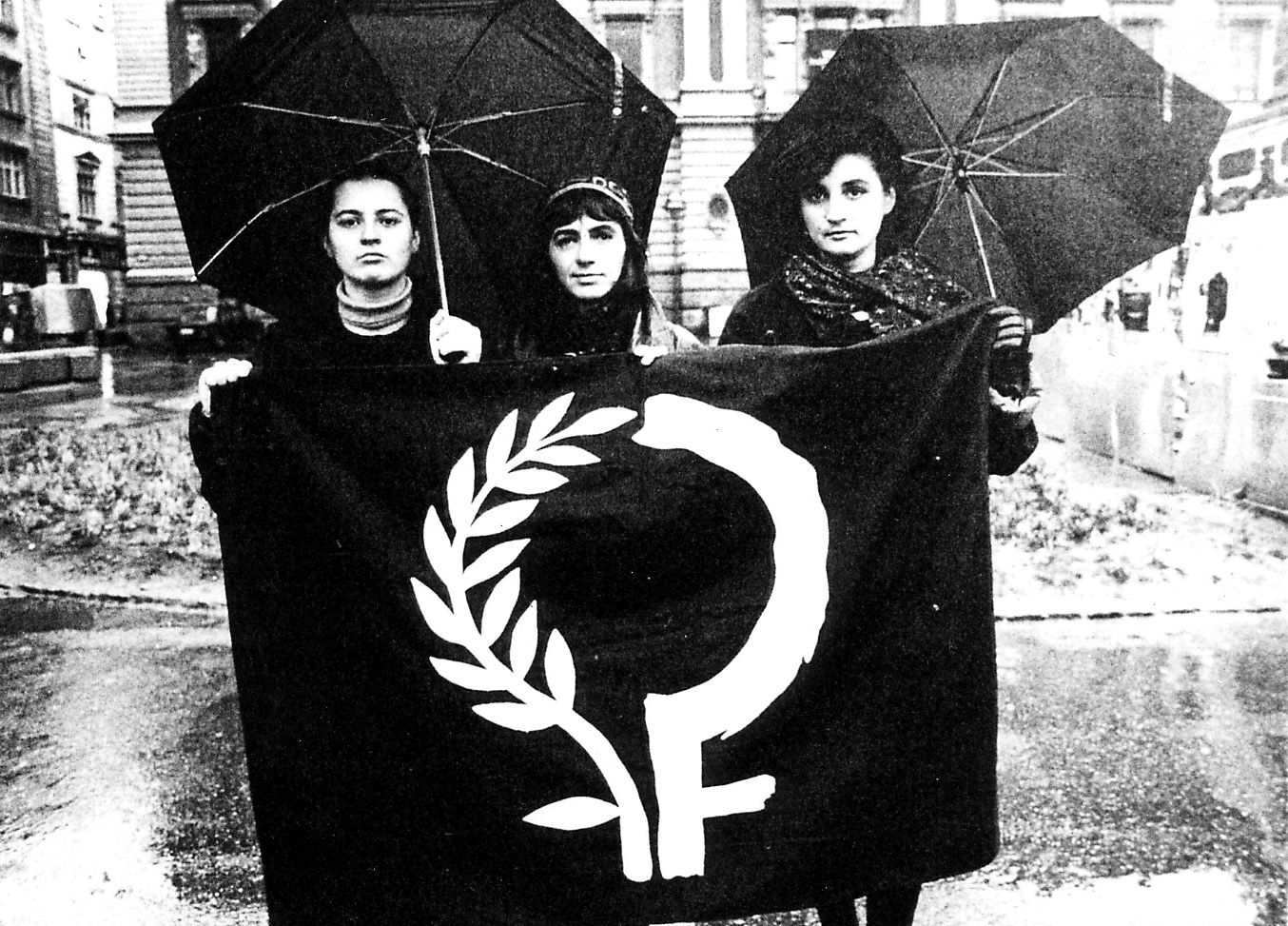
Die „Frauen in Schwarz“ haben fünf Jahre lang im Zentrum von Belgrad gegen die Kriegspolitik des serbischen Regimes protestiert – in schwarzer Kleidung, schweigend und mit Transparenten. Sie unterstützen Deserteure aus allen ehemaligen jugoslawischen Teilrepubliken, organisieren Hilfsaktionen für Flüchtlinge und geben Bücher und eine eigene Zeitschrift heraus.
Der Film porträtiert einige dieser starken Persönlichkeiten in Form von Reisenotizen, die mit dem letzten internationalen Kongreß der „Frauen in Schwarz“ im Sommer 1996 einsetzen und mit den großen Demonstrationen in Belgrad im Winter 1996/97 enden.
The „Women in Black“ protested for five years in Belgrade’s center against the war policy of the Serbian regime – dressed in black, silently and with banners. They support deserters from all former Yugoslav republics, organizing relief efforts for refugees and provide books and publish their own magazine.
The film portrays some of these strong personalities in the form of a travel diary, starting with the last international congress of the „Women in Black“ in summer 1996 and end with the big demonstrations in Belgrade in the winter of 1996/97.
PressePress
Der Film erstellt ein Zeitzeugnis des unerschrockenen Protestes gegen Militarismus und Nationalismus, der den Krieg überdauert hat. Beeindruckend zeigt der Film nicht nur streitbare politische Diskussionen, er porträtiert auch sensibel und anschaulich einige der aktiven Frauen und die Geschichte ihrer Freundschaft. Der Film ist filmisch und dramaturgisch gelungen und thematisiert erkenntnisreiche Einsichten zu Krieg und Frieden. Auch im Frieden ist der Krieg in den Köpfen nicht vorbei, machen die “Frauen in Schwarz” deutlich. Denn, so ihre Überzeugung: “Die sogenannte ethnische Säuberung ist nicht Folge, sondern das oberste Ziel dieses Krieges gewesen.” Der Nationalismus dauert fort
The film creates a testimony to a fearless protest against militarism and nationalism that has outlasted the war. Impressively, it captures not only combative political debate but also portrays, sensitively and vividly, some of these active women and the story of their friendship. Cinematically and dramaturgically accomplished, it opens up illuminating insights into war and peace. Even in peacetime, the ‘Women in Black’ make clear, the war in people’s heads is not over — for, as they are convinced: ‘the so-called ethnic cleansing was not a consequence of this war but its very aim.’ Nationalism lives on.
BilderStills


AbspannCredits
- Buch & Regie
- Zoran Solomun, Helga Reidemeister
- Kamera
- Suzana Vasiljević, Dušan Joksimović
- Ton
- Annegret Fricke, Slavica Miljević
- Schnitt
- Anette Muff
- Musik
- Biljana Vasiljević, Milimir Drašković
- Produktions-leitung
- Petra Franke
- Redaktion
- Inge von Bönninghausen, Reinhard Wulf
- Produktion
- Ohne Gepäck Filmproduktion in Koproduktion mit dem WDR
- Written & Directed by
- Zoran Solomun, Helga Reidemeister
- Camera
- Suzana Vasiljević, Dusan Joksimović
- Sound
- Annegret Fricke, Slavica Miljević
- Editing
- Anette Muff
- Music
- Biljana Vasiljević, Milimir Drašković
- Production manager
- Petra Franke
- Editors
- Inge of Bonninghausen, Reinhard Wulf
- Production
- Ohne Gepaeck Film Production, WDR